In 2026, the narrative surrounding Artificial Intelligence has shifted from “automation vs. humans” to a symbiotic partnership. Generative AI is no longer just a tool for generating content; it has become a creative co-pilot that reshapes how we ideate, produce, and consume art and information.
🏗️ 1. From Tool to Teammate: The “Agentic” Shift
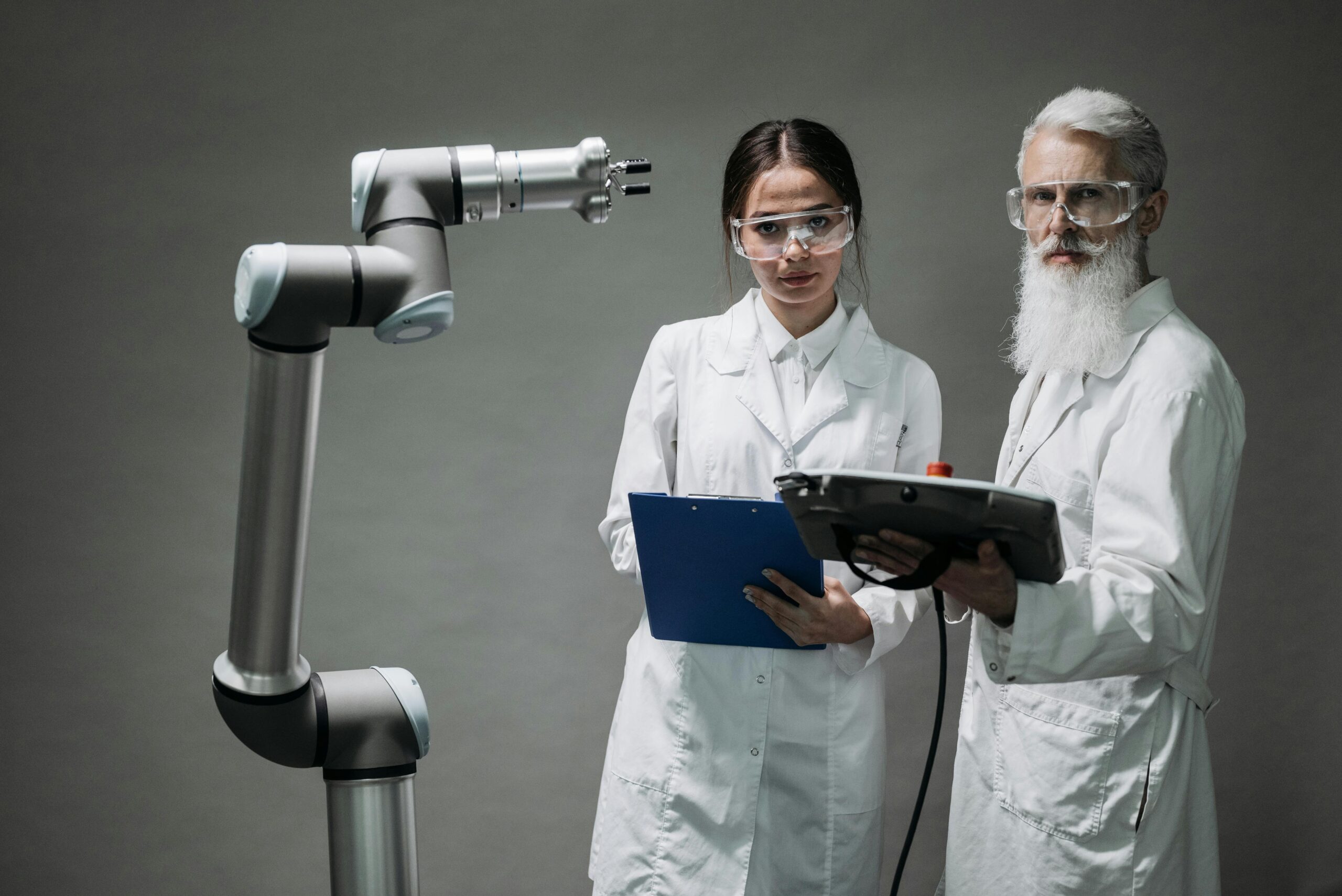
The defining trend of 2026 is the rise of Agentic AI. Unlike earlier models that required constant prompting, today’s AI agents can plan and execute multi-step creative workflows autonomously.
- The Orchestrator Model: Creative professionals have evolved into “Directors” or “Orchestrators.” A small team of three can now execute a global multimedia campaign in days by managing a fleet of specialized AI agents for video, copy, and data analysis.
- Multimodal Fluency: Generative AI now seamlessly bridges text, audio, and video. You can prompt an AI with a script and a reference melody, and it will generate a fully edited high-quality video with a coordinated soundtrack.
🎨 2. The Democratization of Creativity
AI has lowered the “barrier to entry” for technical skills, allowing more people to express complex ideas without years of formal training in specific software.
- Vibe Coding & Designing: We have entered an era where “intent” is the primary skill. Designers and developers use natural language (“vibe coding”) to build apps and visual assets, shifting the focus from how to build to what to build.
- Creative Augmentation: Rather than replacing artists, AI handles the “tedium”—such as rotoscoping in film or generating background assets in gaming—freeing humans to focus on high-level storytelling and emotional resonance.
🎭 3. Hyper-Personalized Entertainment
In 2026, static media is being replaced by Generative Media.
- Dynamic Gaming: NPCs (Non-Player Characters) in video games no longer follow fixed scripts. They possess unscripted personalities and respond to player actions in real-time, creating unique narratives for every user.
- Mood-Based Content: Streaming platforms are beginning to experiment with content that adapts to a viewer’s real-time mood or environment, fundamentally changing the relationship between the audience and the creator.
 1
1