In 2026, space tourism has transitioned from a series of high-profile “stunts” into a functioning, albeit expensive, commercial industry. The technology making this possible is centered on rapid reusability, autonomous orbital habitats, and stratospheric innovation.
As of February 2026, here is how technology is opening the final frontier to civilians:
🚀 1. The “Starship” Era: Mass Orbital Transit
The most significant technological shift is the transition to fully reusable heavy-lift rockets, led by SpaceX’s Starship.
Economic Breakthrough: By landing both the booster and the spacecraft, the cost of reaching orbit has dropped significantly. In early 2026, Starship is hitting milestones for “point-to-point” Earth travel and orbital cruises, designed to carry dozens of passengers rather than just a handful.
Delta-Class Spaceplanes: Virgin Galactic is preparing to launch its Delta-class vehicles in mid-2026. These second-generation spaceplanes are designed for “high-frequency” flight (once per week), moving six passengers at a time to the edge of space for approximately $600,000 per seat.
🏨 2. Orbital Hotels: Living Above the Atmosphere
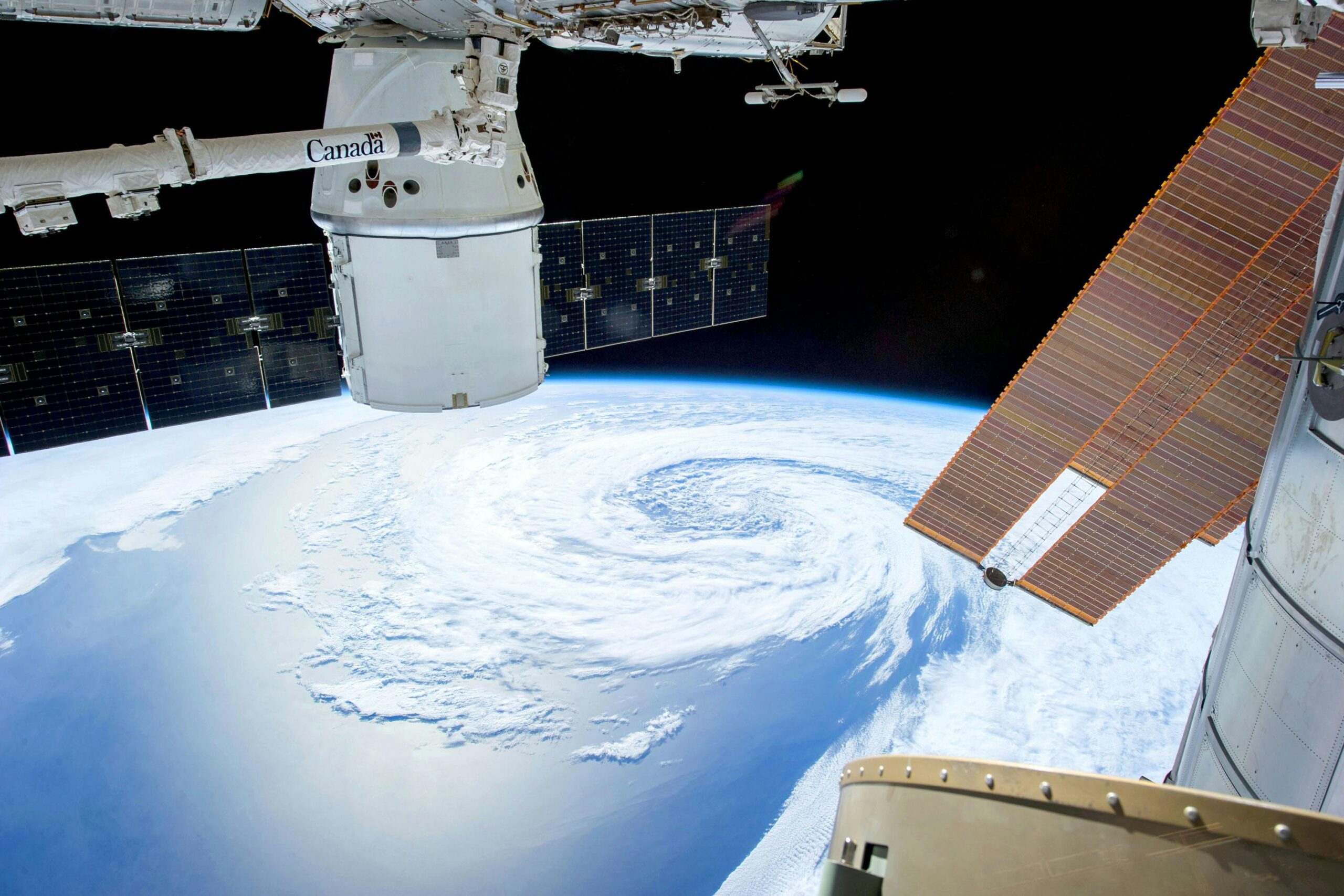
We are moving beyond “day trips” to overnight stays. The International Space Station (ISS) is no longer the only destination.
Haven-1 (Vast Space): Targeted for a May 2026 launch, Haven-1 is set to be the world’s first independent commercial space station. It is a compact, “human-centric” habitat designed for 30-day civilian stays and microgravity research.
Axiom Station: Axiom Space is currently attaching commercial modules to the ISS, which will eventually detach to form a standalone luxury space hotel.
Voyager Station (2027 Preview): Construction technology for the first “rotating” space hotel—which uses centrifugal force to create artificial gravity—is being tested on the ground this year, aiming for a 2027 orbital assembly.
🎈 3. Stratospheric Balloons: The “Quiet” Space Trip
For those who want the view without the G-forces of a rocket, High-Altitude Balloons have become a viable “soft” space tourism tech.
Halo Space & Space Perspective: These companies use giant, hydrogen-filled balloons to lift pressurized capsules to 30–40 km (the stratosphere).
The Experience: Passengers spend 6 hours gliding in silence, seeing the curve of the Earth and the blackness of space without needing specialized astronaut training. Tickets are significantly cheaper, starting around $150,000–$164,000.
🛠️ 4. Essential Safety & Life Support Tech
The “civilianization” of space has forced a leap in safety technology:
Wearable Health Monitoring: Real-time AI “biometric suits” now monitor civilian passengers for signs of space sickness or heart stress, adjusting cabin pressure and oxygen levels automatically.
Laser Communication: 2026 marks the widespread use of Orbital Laser Links (like the Kepler network), allowing tourists to livestream 4K video back to Earth from orbit without the lag of traditional radio waves.
📊 Space Tourism: The 2026 Comparison
Category
Technology
Stay Duration
Approx. Cost
Suborbital Hop
Rocket-powered Spaceplane
10–15 Minutes
$450k – $600k
Stratospheric
High-Altitude Balloon
6 Hours
$150k – $165k
Orbital Stay
Capsule to Station (Haven-1)
10–30 Days
$20M – $55M
2026 Market Shift: While Blue Origin has recently paused its suborbital “New Shepard” tourism flights for two years to focus on lunar landers for NASA’s Artemis III, China’s CASC has accelerated its own suborbital tourism program to fill the gap, aiming for regular civilian flights by the end of the decade.
 1
1